What affects the timescale?
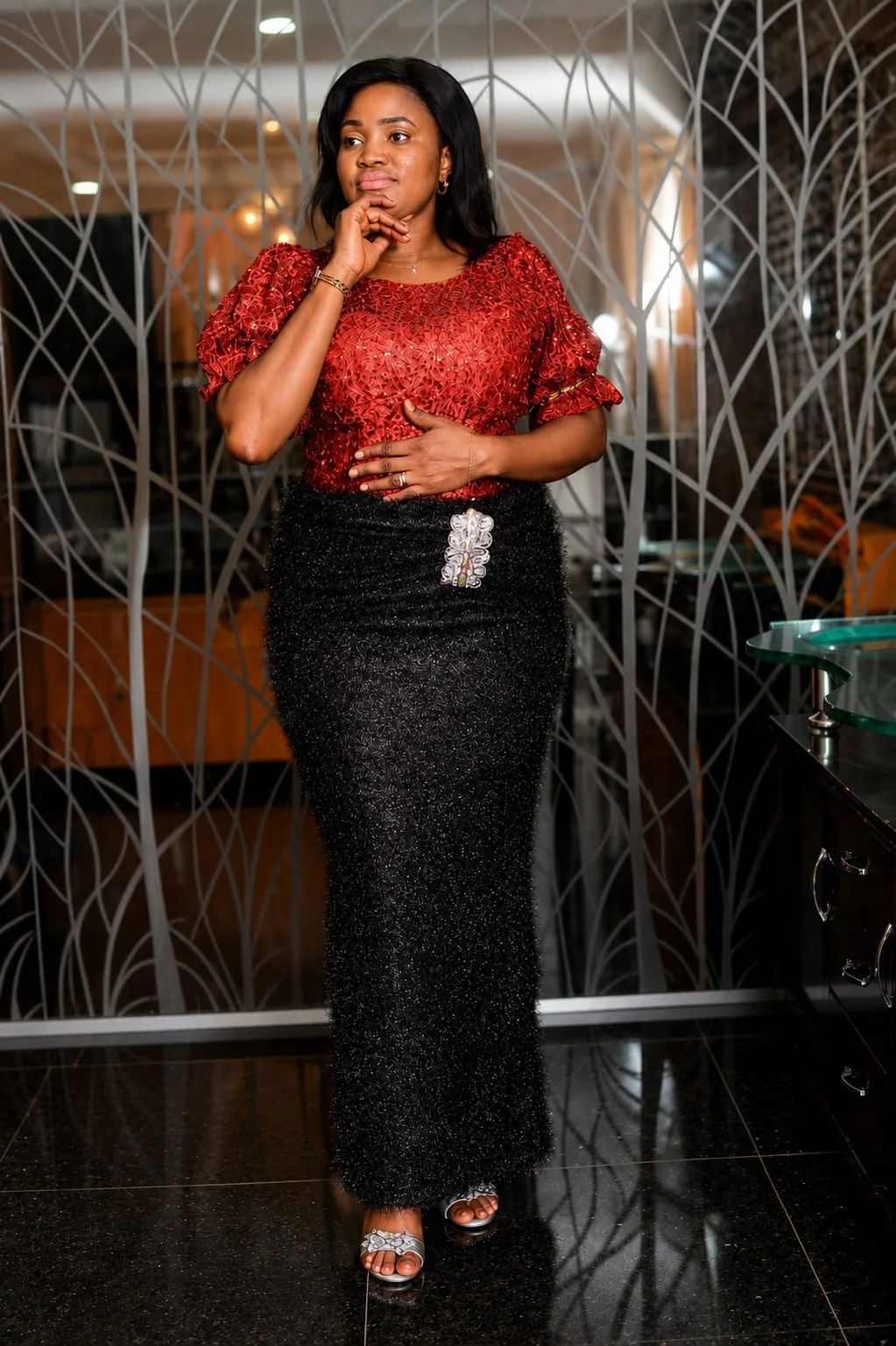
Simple silhouettes generally require less production time than corseted gowns, heavily embellished dresses, multi-piece sets or outfits using specialist fabrics.
The consultation stage
The designer needs to understand the occasion, preferred silhouette, coverage, colour, fabric, budget and deadline before confirming whether the commission is realistic.
Measurements and fitting
Accurate measurements reduce delays. Complex garments may need a fitting so the designer can check balance, length, ease and finishing before completion.
Fabric and embellishment
Fabric sourcing, lace matching, beading, embroidery and imported materials can extend the schedule. Availability should be confirmed before the order is accepted.
How to avoid last-minute problems
Book early, answer questions promptly, attend fittings on time and avoid major design changes after cutting has begun.
Frequently asked questions
Can a bespoke dress be completed urgently?
Sometimes, but only when the designer has capacity and the design, fabric and fittings can be completed safely. An urgent fee may apply.
When should I book for a wedding?
Book as early as possible once your date, role and colour direction are known.
Do I need to buy the fabric myself?
That depends on the service. Confirm whether the designer supplies fabric, sources it for you or requires you to bring it.
Can the design change after the first fitting?
Minor adjustments may be possible, but major changes can affect cost, finish and completion time.

Founder and Creative Director of Da Estol Limited, fashion designer, African hair stylist and bridal stylist.
Read Abimbola’s profile